

As energy prices rise and homeowners look for smarter ways to save, finding the most efficient heating system for your home in 2025 is more important than ever. The right system can dramatically lower your utility bills, improve comfort, and reduce your carbon footprint—all while keeping your family warm during those cool Georgia nights. From modern furnaces and heat pumps to advanced hybrid systems, there are more options than ever to heat your home effectively and efficiently.
Here’s what you’ll learn in this guide:
- Which heating systems are the most energy-efficient in 2025
- How each option compares in performance and cost
- Tips to boost your system’s efficiency at home
- How to choose the best heating solution for your home and climate
Why Heating System Efficiency Matters

Your home’s heating system plays a major role in your overall comfort, but it’s also one of the biggest contributors to your energy bills. An efficient system doesn’t just warm your home—it does so while using less energy and saving you money.
Here’s why efficiency should be your top priority:
- Lower monthly costs: Energy-efficient systems consume less fuel or electricity, leading to lower utility bills every month.
- Improved comfort: Advanced systems provide even heating without temperature fluctuations.
- Environmental benefits: Reduced energy use means a smaller carbon footprint and less strain on natural resources.
- Longer equipment lifespan: Efficient systems run smoother and experience less wear and tear over time.
- Better home value: Energy-efficient upgrades are attractive to potential buyers and can boost resale value.
For homeowners in Canton and surrounding areas, where winters are mild but unpredictable, efficiency doesn’t just mean savings—it means consistent comfort without overworking your system.
4 Most Efficient Heating Systems for 2025
Choosing the most efficient heating system depends on your home’s size, insulation, and local climate. Below are four of the most efficient options available today, each with its own strengths and ideal applications.
1. High-Efficiency Heat Pumps
Heat pumps have quickly become one of the most efficient ways to heat and cool homes, especially in regions like Georgia with moderate winters. Instead of burning fuel to generate heat, a heat pump transfers heat from the outside air into your home using electricity.
Why they’re efficient:
- They can deliver up to three times more heat energy than the electrical energy they consume.
- New inverter-driven models adjust output automatically to maintain consistent temperatures.
- Modern systems now perform effectively even when temperatures dip below freezing.
Best for: Homes in mild to moderate climates, such as Canton or Alpharetta, where winters are not severe.
Bonus feature: Most heat pumps double as air conditioners, offering energy savings year-round.
2. Variable-Speed Gas Furnaces
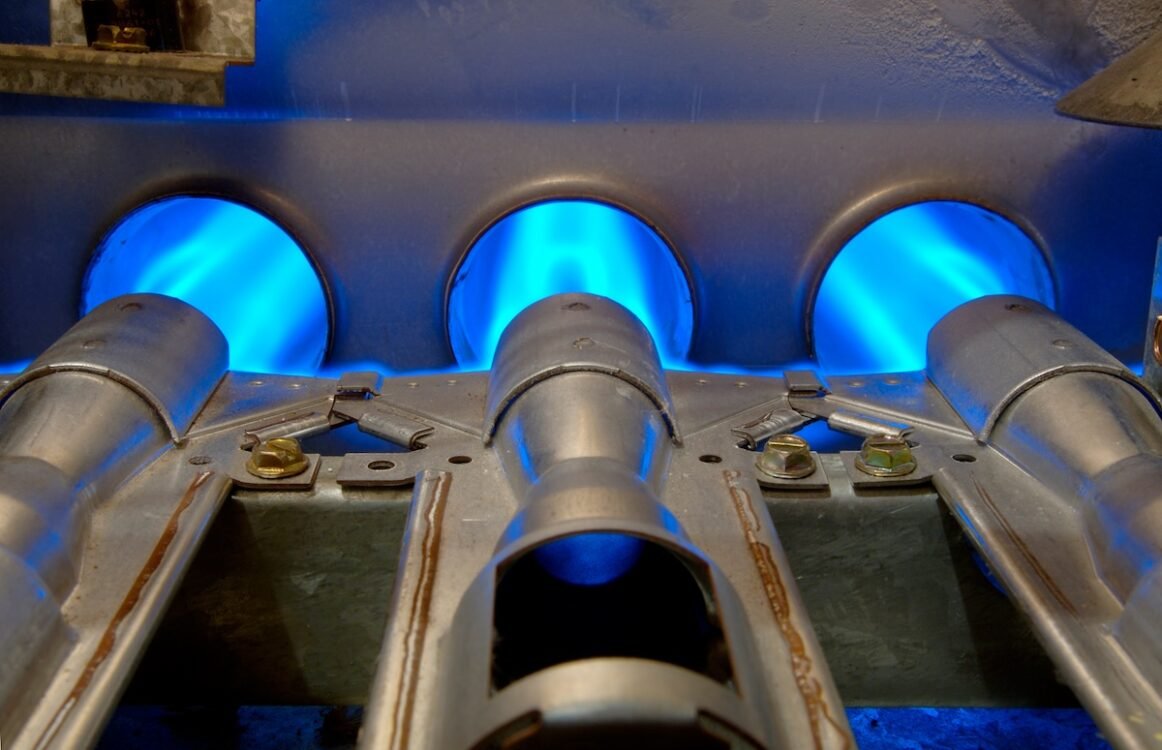
If your home already has gas service, a high-efficiency furnace may be your best bet. The most advanced furnaces available in 2025 feature variable-speed blowers and modulating gas valves, which adjust heating output precisely based on your home’s needs.
Why they’re efficient:
- Variable-speed fans consume less electricity while maintaining steady airflow.
- Modulating burners prevent energy waste by matching heat output to demand.
- Top models now exceed 98% AFUE (Annual Fuel Utilization Efficiency), meaning almost all the fuel is converted into usable heat.
Best for: Homes in colder or draftier areas where strong, fast heating is desired.
Bonus feature: Quiet, even heat distribution and long-term reliability make these systems a solid investment.
3. Dual-Fuel Systems
A dual-fuel system combines the best of both worlds: an electric heat pump for moderate temperatures and a gas furnace for extremely cold days. This hybrid setup automatically switches between the two heat sources to maximize efficiency.
Why they’re efficient:
- Uses electricity when outdoor conditions are mild, then switches to gas only when necessary.
- Reduces overall fuel consumption and keeps operating costs low.
- Smart thermostats in these systems optimize performance based on energy prices and weather conditions.
Best for: Homeowners in Woodstock and surrounding areas who experience a mix of mild and chilly winter days.
Bonus feature: Dual-fuel systems are ideal for those who want the eco-friendliness of a heat pump with the reliability of a furnace backup.
4. Geothermal Heat Pumps
Geothermal, or ground-source heat pumps, are among the most efficient heating systems available today. They draw heat from the earth, which stays at a relatively stable temperature year-round, and use it to warm your home.
Why they’re efficient:
- They use up to 70% less energy than traditional systems.
- Because ground temperatures are constant, performance remains steady even in colder weather.
- Lifespans can exceed 25 years for indoor components and 50 years for ground loops.
Best for: Homeowners planning long-term investments who want the highest efficiency and lowest environmental impact.
Bonus feature: Can be paired with solar panels for a fully renewable energy setup.
How to Choose the Right System for Your Home
Selecting the most efficient heating system for your home isn’t just about technology—it’s about fit. The right system depends on your home’s characteristics, energy source availability, and comfort preferences.
Key considerations:
- Climate: Heat pumps perform best in moderate climates, while gas furnaces are ideal for colder conditions.
- Fuel type: Gas, electric, or geothermal? The available energy sources at your property often dictate your best options.
- Home insulation: Well-insulated homes can take advantage of lower-output, high-efficiency systems.
- Budget and return on investment: Although high-efficiency systems can cost more upfront, they pay off in long-term savings.
- Size and layout: Proper system sizing is critical. Oversized or undersized systems reduce efficiency and comfort.
Expert Tip: Conduct an Energy Audit
Before deciding, have a professional HVAC technician evaluate your home’s energy performance. An audit can reveal areas of heat loss and help determine the system size and efficiency level you need.
Boosting Heating Efficiency at Home
No matter which system you choose, you can enhance performance and save more energy by making a few smart upgrades and changes around your home.
Ways to improve heating efficiency:
- Seal air leaks: Close gaps around doors, windows, and ductwork to prevent warm air from escaping.
- Upgrade insulation: Insulating attics and walls keeps heat where it belongs—inside your home.
- Install a smart thermostat: These devices learn your heating habits and automatically adjust temperatures to reduce waste.
- Schedule regular maintenance: Annual checkups ensure your system runs safely and efficiently.
- Change air filters regularly: Clean filters improve airflow and prevent strain on your system.
- Zoned heating: Installing dampers and smart controls lets you heat specific areas instead of the whole house.
In areas like Holly Springs and surrounding neighborhoods, where temperatures fluctuate throughout the winter, these small steps can make a significant difference in energy savings.
Comparing Efficiency: Heat Pump vs Furnace vs Geothermal
| System Type | Efficiency Rating | Average Lifespan | Energy Source | Ideal Climate | Upfront Cost | Maintenance Needs |
| Heat Pump | 300% (COP 3.0) | 12–15 years | Electricity | Mild to moderate | Moderate | Moderate |
| Gas Furnace | 90–98% AFUE | 15–20 years | Natural Gas | Moderate to cold | Lower | Low |
| Dual-Fuel System | 90–300% (hybrid) | 15–20 years | Electricity + Gas | Mild to cold | High | Moderate |
| Geothermal | Up to 500% (COP 5.0) | 25–50 years | Ground-sourced | Any | Highest | Low |
This comparison highlights that while geothermal and heat pumps lead in efficiency, the best choice often depends on your local conditions, existing system setup, and budget.
The Future of Heating Efficiency
As technology continues to evolve, heating systems in 2025 and beyond are becoming smarter, cleaner, and more sustainable. Some trends shaping the future include:
- Smart integration: Systems that connect with smart thermostats and home automation platforms for optimized energy use.
- Eco-friendly refrigerants: New refrigerant blends reduce environmental impact without sacrificing performance.
- Advanced inverter technology: Compressors adjust in real time to meet exact heating needs.
- Hybrid renewable systems: Combinations of solar and geothermal energy create near-zero-emission homes.
These innovations mean that upgrading your heating system today can keep your home efficient and future-ready for years to come.

Make Your Home Efficient with Help from Local Experts
Choosing the most efficient heating system for your home in 2025 is one of the smartest investments you can make. It saves money, increases comfort, and supports a more sustainable future. Whether you’re interested in a new high-efficiency furnace, a dual-fuel system, or a state-of-the-art heat pump, Russell Heating & Air can help you make the right decision for your space.
Our team proudly serves homeowners in Canton and surrounding areas with expert guidance, quality installation, and trusted service. We’ll assess your home’s needs, recommend energy-efficient solutions, and ensure your new system performs at its best for years to come. To learn more or request an estimate, contact us today.