

Few things are more frustrating than waking up on a cold morning to find your home chilly and your heat not working in house. Whether you have a gas furnace, heat pump, or electric system, a heating failure can make your home uncomfortable fast. The good news is, many heating issues can be resolved quickly—sometimes without the need for major repairs. Knowing what to look for can help you restore warmth to your home faster and avoid unnecessary stress.
Here’s what you’ll learn in this guide:
- The most common reasons your heat might stop working
- Simple troubleshooting steps to check before calling for service
- When it’s time to contact a professional
- How to prevent heating issues in the future
Why It’s Important to Address Heating Problems Quickly
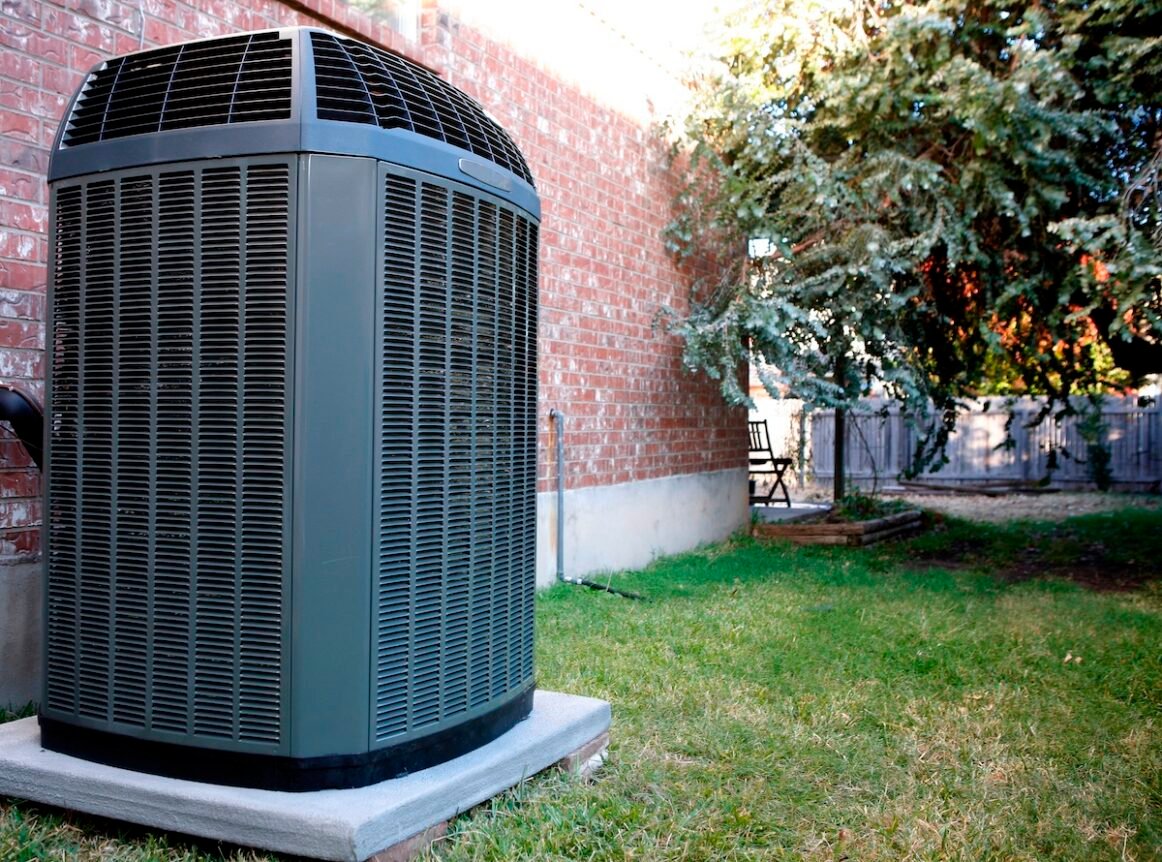
When your home’s heating system stops working, it’s more than an inconvenience—it can affect comfort, safety, and even your energy costs. Acting quickly can help prevent small issues from becoming major breakdowns.
Key reasons to take heating problems seriously:
- Comfort and health: Prolonged exposure to cold indoor temperatures can affect health, especially for young children or older adults.
- Prevent system damage: Ignoring heating issues can put unnecessary strain on key components, leading to expensive repairs later.
- Energy savings: A malfunctioning system often runs inefficiently, using more energy than necessary.
- Safety concerns: Some heating failures, such as gas leaks or electrical issues, can pose safety hazards if left unchecked.
- Peace of mind: Prompt attention ensures your home stays warm and safe when temperatures drop.
Homeowners in Canton and surrounding areas depend on their systems to handle occasional cold spells—so staying proactive about maintenance and repairs ensures comfort and reliability all season long.
8 Common Causes When Heat Stops Working
If your heating system suddenly stops producing warm air, the cause could range from something simple—like a tripped breaker—to a more complex mechanical issue. Below are the most common reasons and how to identify them.
1. Thermostat Issues
The thermostat acts as your system’s command center. If it’s not set properly or malfunctions, your system might not turn on or provide consistent heat.
Things to check:
- Make sure it’s set to “heat” mode and the temperature is set higher than the current room temperature.
- Replace the batteries if your thermostat uses them.
- For smart thermostats, ensure the Wi-Fi connection or settings haven’t reset after a power outage.
If your thermostat screen is blank or unresponsive, it may need to be replaced or rewired by a professional.
2. Tripped Circuit Breaker or Blown Fuse
If your heating system isn’t running at all, check your electrical panel. A tripped breaker or blown fuse can interrupt power to your furnace or heat pump.
Quick fix:
- Locate the correct breaker and see if it’s in the “off” or halfway position.
- Reset it by switching it fully to the “off” position, then back “on.”
If the breaker trips again immediately, there may be a deeper electrical issue requiring professional service.
3. Dirty or Clogged Air Filter
A dirty air filter is one of the most common and easily preventable causes of heating issues. When filters are clogged, airflow becomes restricted, causing the furnace to overheat and shut down as a safety precaution.
Check and replace your filter:
- Locate your furnace’s air filter compartment and remove the old filter.
- If it appears gray or covered in dust, replace it with a new one of the same size and type.
- In general, filters should be replaced every 1–3 months.
4. Pilot Light or Ignition Problems
If you have a gas furnace, the pilot light or electronic ignition system is responsible for lighting the burners. When this component fails, your furnace won’t produce heat.
Signs of ignition issues:
- The pilot light is out or flickering.
- You hear clicking sounds without the burners lighting.
- The furnace starts but shuts off quickly.
You can relight the pilot light following the manufacturer’s instructions, but if it won’t stay lit, the thermocouple or ignition system may need professional attention.
5. Blower Motor Failure
The blower motor pushes warm air through your ductwork and into your home. If it stops working, you may feel cool air or no airflow at all from your vents.
Possible causes:
- Motor bearings are worn or seized.
- The control board or capacitor is malfunctioning.
- A safety switch has tripped.
If you hear humming or grinding noises, turn the system off immediately and call a technician before further damage occurs.
6. Gas Supply Issues
If your gas furnace isn’t getting enough fuel, it won’t be able to produce heat. Check that your gas valve is open and that other gas appliances (like your stove) are functioning properly.
If you ever smell gas, leave your home immediately and contact your utility provider or emergency services before calling your HVAC company.
7. Heat Pump Problems
For homeowners with heat pumps, a few specific issues can cause heat loss:
- The system is in “cool” mode instead of “heat.”
- The outdoor unit is iced over.
- The reversing valve has failed, preventing heat transfer.
If the outdoor coil is frozen, turn your system off and set it to “defrost” mode. Persistent icing usually indicates a refrigerant or airflow issue requiring professional service.
8. Blocked or Leaking Ductwork
Even if your furnace is running, leaky or obstructed ducts can prevent warm air from reaching your rooms. Check accessible ducts in basements or attics for visible damage or disconnections.
Common warning signs:
- Uneven heating across rooms
- Whistling noises
- Higher-than-normal energy bills
Duct sealing or repair can greatly improve comfort and efficiency.
When to Call a Professional
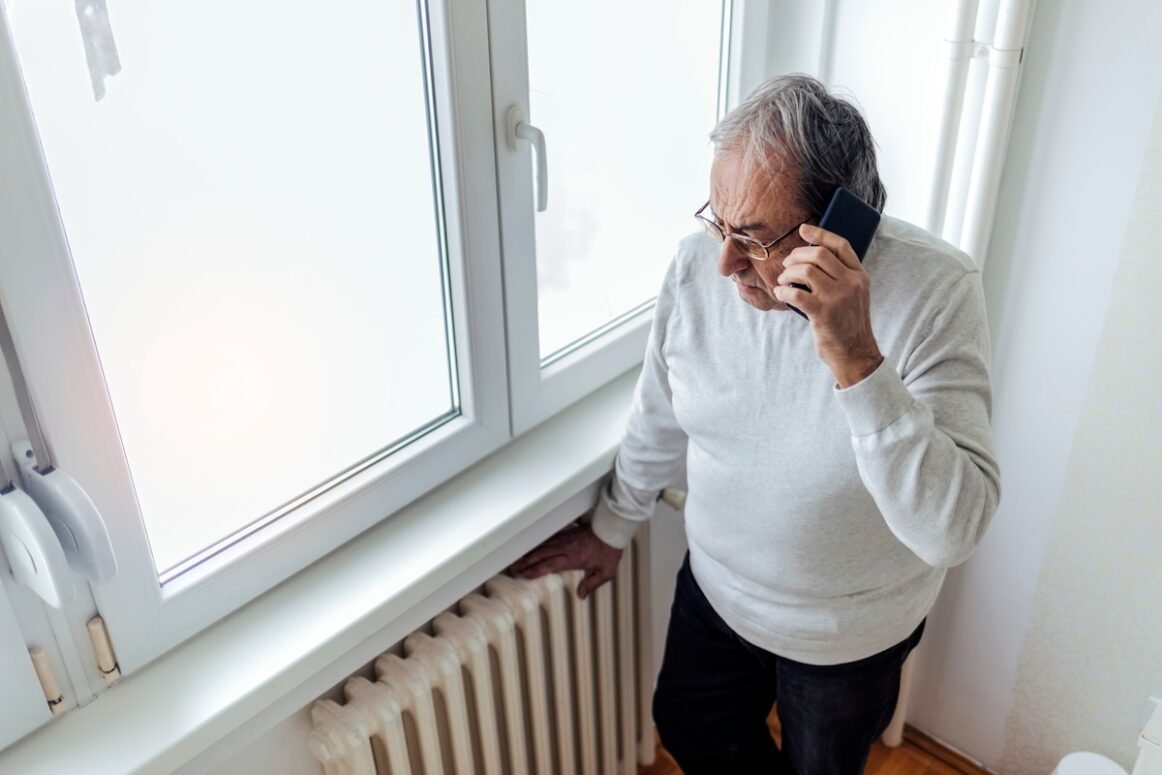
While some heating issues can be fixed with simple troubleshooting, others require professional tools and expertise. If you’ve checked the thermostat, breakers, and filter with no success—or notice strange noises, burning smells, or continuous cycling—it’s best to call an expert.
Professional technicians can safely:
- Test electrical and gas components.
- Inspect the heat exchanger for cracks.
- Calibrate the thermostat and airflow balance.
- Identify hidden issues before they become major repairs.
If you live in Woodstock or surrounding areas, a qualified local technician can often diagnose and fix problems the same day, restoring your heat and peace of mind quickly.
Preventing Future Heating Issues
The best way to avoid losing heat during the coldest days is through preventive maintenance. Regular service keeps your system clean, efficient, and ready for any temperature drop.
Tips to prevent heating breakdowns:
- Schedule annual maintenance: Have your system professionally inspected before each heating season.
- Replace filters regularly: Clean filters prevent strain on the furnace and ensure steady airflow.
- Keep vents clear: Avoid blocking vents with furniture or rugs.
- Check insulation and weatherstripping: Well-sealed homes retain heat better, reducing system workload.
- Install a smart thermostat: Automatic scheduling optimizes performance and minimizes energy waste.
Comparing Common Heating Systems: How They Fail
| System Type | Common Issues | Typical Maintenance Needs |
| Gas Furnace | Ignition failure, dirty burners, faulty flame sensor | Annual tune-up, filter replacement |
| Electric Furnace | Tripped breaker, worn heating elements | Regular cleaning, airflow checks |
| Heat Pump | Low refrigerant, iced outdoor coil, stuck reversing valve | Bi-annual maintenance, filter changes |
| Dual-Fuel System | Communication errors between systems | Yearly inspection and thermostat calibration |
Knowing the typical weak spots of your system type helps you stay proactive and spot issues before they escalate.
Simple DIY Fixes Before Calling for Service
Before scheduling a repair appointment, homeowners in Holly Springs and surrounding areas can try a few simple steps that may restore heat:
- Make sure your thermostat is on and set correctly.
- Check your breaker panel for tripped switches.
- Inspect and replace a dirty air filter.
- Verify that air vents are open and unobstructed.
- Reset your furnace by turning off the power for 30 seconds and switching it back on.
If these steps don’t solve the issue, a trained technician should evaluate your system to prevent further damage.
Keep Your Home Warm with Trusted Local Experts
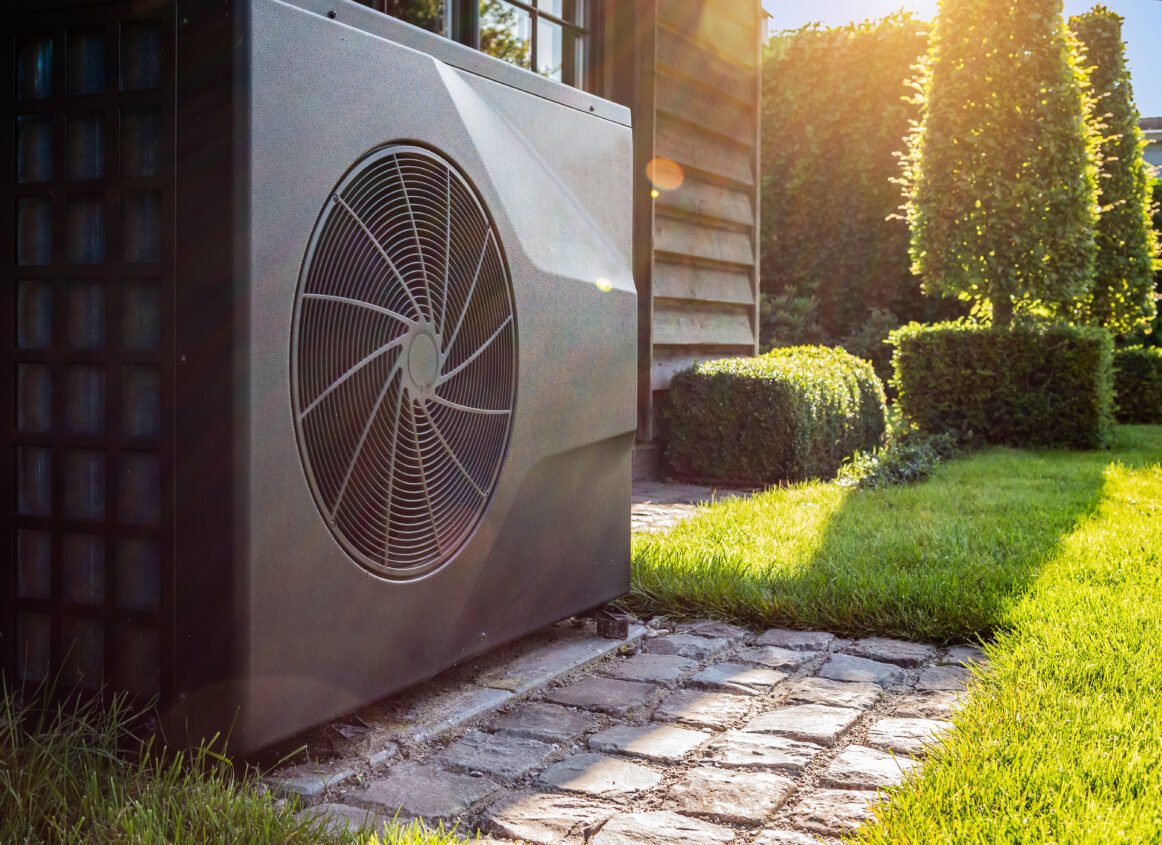
When your heating system suddenly stops working, it can throw your whole household into discomfort. Whether it’s a minor thermostat glitch or a more complex mechanical failure, getting professional help quickly ensures your home stays warm and safe.
At Russell Heating & Air, our team specializes in diagnosing and repairing heating issues for homeowners across Canton and surrounding areas. We offer prompt, reliable service for all system types and provide long-term solutions that restore comfort efficiently. If your home’s heat isn’t working properly or you want to schedule seasonal maintenance, contact us today to get started.